

Have you noticed that your dog only pees once a day? If so, you may be wondering whether this is normal or a sign of an underlying health problem.
Most healthy adult dogs urinate several times throughout the day. However, their bathroom habits can vary depending on their age, body size, activity level, water intake, diet, medications, and overall health.
A dog that consistently urinates only once a day may not be emptying its bladder often enough. It could be related to reduced water intake, stress, changes in routine, or an underlying urinary or kidney condition.
More importantly, difficulty passing urine can indicate a potentially life-threatening urinary blockage.
In this guide, we will explain why your dog may only pee once a day, when you should worry, and what you can do to support healthy bathroom habits.
Is It Normal for a Dog Only Pees Once a Day?
No. Consistently peeing only once a day is not a typical urination pattern for most healthy dogs. Adult dogs generally need several opportunities to urinate throughout the day.
Although some dogs can comfortably hold their bladder overnight, regularly going an entire day with only one urination should not be ignored. So, how long can a puppy hold pee at night?
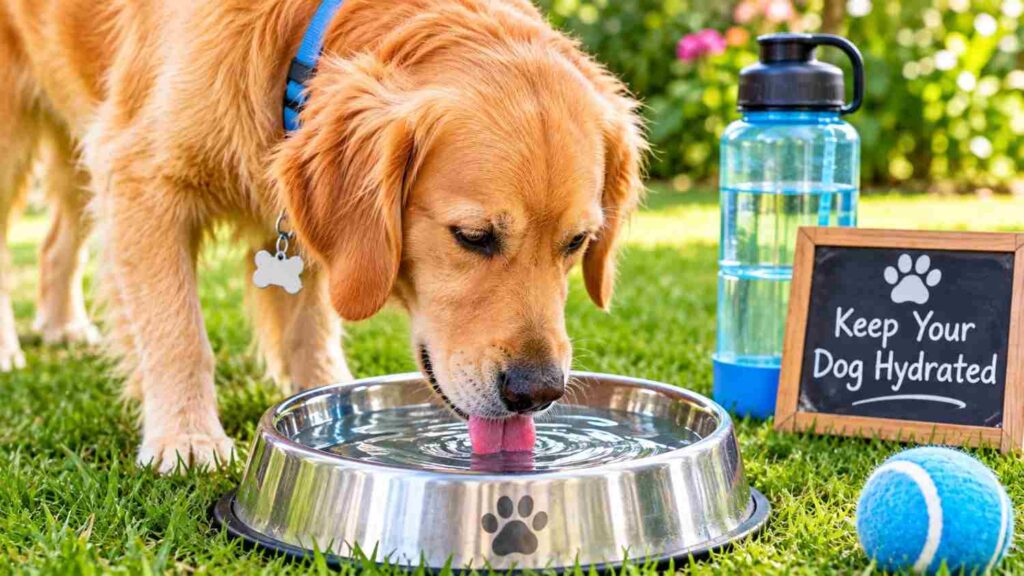
Several factors can influence how frequently a dog pees, including:
- Age and bladder capacity
- Daily water consumption
- Food moisture content
- Exercise and activity levels
- Weather conditions
- Stress and environmental changes
- Existing health conditions
- Prescription medications
For example, a dog eating wet food may receive more moisture from meals than a dog eating dry kibble. Similarly, a dog exercising outdoors may drink more water and need additional bathroom breaks.
However, if your dog suddenly starts peeing less frequently, consult your veterinarian to determine the cause. Does dog pee kill the grass? Read this article.
Important: If your dog repeatedly tries to pee but produces no urine or only a few drops, seek emergency veterinary care immediately. Do not wait until the next day.
Why Does My Dog Only Pee Once a Day?
Several factors can reduce urination in dogs. Some involve everyday habits, while others require medical attention.
Let’s look at the most common possibilities.
1. Your Dog Is Not Drinking Enough Water
Dehydration is one possible reason a dog may produce less urine. Water helps the kidneys remove waste products from the bloodstream and produce urine.
When a dog does not consume enough fluids, its body may conserve water, resulting in smaller amounts of urine.
Some dogs drink less because of:
- Limited access to fresh drinking water
- Changes in their daily routine
- Stress or unfamiliar surroundings
- Illness or reduced appetite
- Hot or uncomfortable drinking areas
What you can do:
Make sure your dog always has access to clean, fresh drinking water. Wash the water bowl regularly and place it somewhere your dog can reach comfortably.
You can also ask your veterinarian whether adding moisture-rich food to your dog’s diet would be appropriate. Do not force your dog to drink excessive amounts of water.
2. Urinary Tract Infection (UTI)
A urinary tract infection can affect how frequently and comfortably a dog urinates.
Dogs with UTIs may show signs such as:
- Frequent attempts to urinate
- Passing small amounts of urine
- Straining or discomfort
- Blood in the urine
- Excessive licking around the genital area
- Accidents inside the house
Although UTIs commonly cause more frequent attempts to urinate, a dog with urinary discomfort may change its bathroom habits or avoid urinating.
A veterinarian can examine your dog and recommend a urine test to identify a possible infection.
Never assume that reduced urination is simply a UTI. Urinary stones or an obstruction can cause similar symptoms.
3. Kidney Problems
The kidneys play an essential role in filtering waste and regulating the body’s fluid balance. When kidney function is impaired, your dog may experience changes in urine production.
Depending on the condition and its severity, kidney disease can cause increased urination, reduced urination, or other changes.
Additional warning signs may include:
- Reduced appetite
- Vomiting
- Unusual tiredness
- Weight loss
- Changes in drinking habits
- Dehydration
You can’t diagnose kidney problems by observing bathroom habits alone. Your veterinarian may recommend blood tests, urine testing, and imaging to investigate the cause.
4. Urinary Stones or Bladder Blockage
Urinary stones can develop in a dog’s bladder or urinary tract. Depending on their location and size, they may interfere with normal urine flow.
A blockage can prevent urine from leaving the bladder.
Watch for these warning signs:
- Repeatedly attempting to pee
- Producing only a few drops
- Crying or showing pain while urinating
- Blood in the urine
- Restlessness
- Vomiting or weakness
A complete urinary obstruction is a veterinary emergency. It can cause dangerous waste buildup and serious complications.
If your dog cannot urinate, take it to an emergency veterinary hospital immediately.
5. Stress or Changes in the Environment
Stress can affect a dog’s normal bathroom routine. This may happen when you move to a new home, introduce another pet, change walking schedules, or adopt a rescue dog when barking.
A newly adopted dog may feel uncomfortable urinating in an unfamiliar environment. Some dogs also avoid going outside when they feel frightened by traffic, loud noises, unfamiliar people, or other animals.
However, stress should never be assumed to be the cause of a dog urinating only once a day without ruling out medical problems.
What you can do:
- Establish a consistent walking schedule.
- Give your dog enough time to explore and find a comfortable bathroom spot.
- Avoid punishment for indoor accidents.
- Reward appropriate outdoor urination.
- Provide a quiet and comfortable resting area.
If the problem continues, contact your veterinarian.
6. Age-Related Changes
A dog’s age can influence its bathroom habits, but older dogs do not necessarily need to urinate less frequently. Senior dogs may develop medical conditions that affect their bladder, kidneys, mobility, or ability to control urination.
For example, arthritis may make it difficult for an older dog to walk outside. Some senior dogs may also develop urinary incontinence or other urinary disorders.
Puppies, on the other hand, generally need more frequent bathroom breaks because they have smaller bladders and are still developing bladder control.
If an older dog suddenly changes its urination pattern, arrange a veterinary examination rather than assuming it is simply part of aging.
7. Reduced Urination After Surgery
If your dog only pees once a day after surgery, you should pay particular attention to its recovery. Anesthesia, pain medication, reduced water intake, discomfort, and limited movement can temporarily affect urination.
Some pets urinate less frequently during the first day after surgery. However, difficulty urinating or an inability to pass urine should never be ignored.
Contact your veterinary team if:
- Your dog has not urinated within the timeframe provided in its discharge instructions.
- Your dog strains without producing urine.
- Your dog appears uncomfortable when trying to pee.
- You notice blood in the urine.
- Your dog becomes unusually weak or lethargic.
If your dog cannot urinate, seek emergency veterinary attention immediately.
When Should I Worry About My Dog Not Peeing?
You should take changes in your dog’s urination seriously, particularly when they happen suddenly. A dog that has not urinated for an unusually long period may have a medical problem that needs investigation.
Here is a practical guide:
| Situation | What to do |
|---|---|
| Dog consistently pees only once daily | Arrange a veterinary appointment promptly |
| Dog has gone around 12 hours without urinating | Contact your veterinarian for guidance, especially if this is unusual |
| Dog repeatedly strains but produces no urine | Seek emergency veterinary care immediately |
| Dog passes only a few drops with pain | Seek urgent veterinary attention |
| Blood appears in the urine | Contact your veterinarian promptly |
| Dog has vomiting, weakness, or a painful abdomen | Seek immediate veterinary assessment |
There is no safe universal waiting period for a suspected urinary blockage. If your dog is trying to urinate but cannot, do not wait 12 or 24 hours.
Is It Normal for a Dog to Go 12 Hours Without Peeing?
It depends on the individual dog and circumstances. Some healthy adult dogs can hold their urine overnight while sleeping. However, regularly going 12 hours without urinating is not an ideal routine for every dog.
Puppies, senior dogs, and dogs with urinary or kidney conditions may need more frequent bathroom opportunities. If your dog suddenly goes 12 hours without peeing, contact your veterinarian for advice.
This is particularly important if your dog is drinking normally but producing little or no urine. If your dog is straining, crying, or unable to pass urine, seek emergency veterinary care instead of waiting.
Is It Okay If My Dog Doesn’t Pee for a Day?
No. A dog going an entire day without urinating should be treated as a serious concern. One possible explanation is a urinary obstruction, which prevents urine from leaving the bladder.
Other potential causes include severe dehydration, urinary tract problems, and certain kidney conditions. A complete blockage can quickly become life-threatening.
Do not wait 24 hours if your dog is unable to urinate. Contact an emergency veterinarian immediately.
What Should I Do If My Dog Only Pees Once a Day?
If your dog has developed an unusual urination pattern, the first step is to understand whether it is producing less urine or having difficulty passing urine.
Here are some practical steps you can take while arranging appropriate veterinary care.
1. Monitor Your Dog’s Water Intake
Pay attention to how much water your dog drinks throughout the day. Keep its drinking bowl filled with fresh water and monitor whether its consumption has changed.
If your dog refuses water, vomits after drinking, or appears dehydrated, contact your veterinarian.
2. Provide Regular Bathroom Breaks
Give your dog several opportunities to urinate throughout the day.
For example, you can take your dog outside:
- First thing in the morning
- After breakfast
- After exercise or playtime
- In the afternoon
- After dinner
- Before bedtime
The exact schedule depends on your dog’s age, health, and individual needs. Do not force your dog to hold its urine for long periods simply because it is accustomed to a particular routine.
3. Make the Bathroom Environment Comfortable
Some dogs avoid urinating when they feel unsafe or distracted. Choose a quiet outdoor area where your dog can relax and take enough time to relieve itself.
For newly adopted dogs, a predictable routine and positive reinforcement can help build confidence.
4. Consider Moisture-Rich Food
Wet dog food generally contains more moisture than dry kibble. Adding an appropriate canned food to your dog’s diet may help increase its overall water intake.
However, changing food will not treat a urinary blockage, kidney disease, or other medical condition.
Ask your veterinarian before making significant dietary changes, particularly if your dog has an existing health condition.
5. Keep a Record of Urination
A simple record can help your veterinarian understand what is happening.
Write down:
- When your dog urinates
- How frequently it urinates
- Whether the urine amount appears normal
- Whether your dog strains or shows discomfort
- How much water it drinks
- Any changes in appetite or behavior
This information can help your veterinarian decide which examinations or tests are necessary. Never press or squeeze your dog’s bladder to make it urinate. This can cause pain or injury.
How Often Should You Take Your Dog Outside to Pee?
Dogs need regular bathroom opportunities, but the ideal schedule varies.
The following is a general routine rather than a strict medical rule.
| Dog’s age or situation | Bathroom routine |
|---|---|
| Young puppy | Every 1–3 hours while awake, depending on age and needs |
| Older puppy | Every few hours, including after meals and naps |
| Healthy adult dog | Several opportunities throughout the day |
| Senior dog | More frequent opportunities may be necessary |
| Dog recovering from surgery | Follow the veterinarian’s individual instructions |
Puppies generally need more frequent bathroom breaks because they have less bladder control.
A commonly used puppy-training guideline is approximately one hour of bladder-holding ability per month of age, but this is only a rough estimate, not a guaranteed limit.
Do not use this guideline to make a puppy hold its urine when it needs to go.
Why Does My Small Dog Only Pee Once a Day?
Small dogs, including Yorkies, Chihuahuas, and Dachshunds, may have different bathroom needs from larger breeds. However, small size does not mean a dog should routinely urinate only once daily.
Some small dogs need more frequent bathroom breaks because of their smaller bladder capacity.
If your small dog suddenly starts peeing less frequently, monitor its water intake and behavior and arrange a veterinary examination.
Do not assume that its size explains the change.
Why Does My Rescue Dog Only Pee Once a Day?
A rescue dog may need time to adjust to its new home. Unfamiliar surroundings, anxiety, previous experiences, and changes in daily routine can affect bathroom behavior.
To help your new dog feel comfortable:
- Establish a consistent walking schedule.
- Use the same quiet bathroom area whenever possible.
- Give your dog enough time outdoors.
- Reward successful outdoor bathroom trips.
- Avoid punishment or unnecessary pressure.
However, if your rescue dog consistently urinates only once a day, arrange a veterinary checkup. A new environment does not rule out an underlying health problem.
Why Does My Dog Only Pee Once a Day After Surgery?
Reduced urination can occur temporarily after surgery because of anesthesia, medication, changes in fluid intake, or discomfort. However, your dog’s recovery instructions should determine when you need to contact the veterinary team.
If your dog has not urinated for approximately 12 hours after surgery, contact the veterinary team for advice rather than simply waiting. Follow any stricter instructions provided at discharge.
If your dog repeatedly tries to urinate without producing urine, seek emergency veterinary care immediately.
Can a Dog Pee and Poop Only Once a Day?
Urination and bowel movements are two separate bodily functions. A dog may poop once a day and still urinate several times. Likewise, changes in urination do not automatically mean the dog is constipated.
Constipation usually involves difficulty passing stool, hard or dry feces, or repeated attempts to defecate. Urinary problems involve difficulty passing urine, changes in urine volume, or changes in bathroom frequency.
It is important to identify which problem your dog is experiencing because the causes and treatments are different. If your dog is straining and you cannot tell whether it is trying to urinate or defecate, contact a veterinarian.
Urinary obstruction can sometimes be mistaken for constipation.
Frequently Asked Questions
1. Is it okay if my dog only pees once a day?
Consistently urinating only once a day is not typical for most healthy dogs. It may be associated with reduced water intake, stress, or an underlying medical condition. Arrange a veterinary examination to identify the cause.
2. When should I worry about my dog not peeing?
Contact your veterinarian if your dog has an unusual reduction in urination or goes around 12 hours without peeing. If your dog strains repeatedly but cannot produce urine, seek emergency veterinary care immediately.
3. Is it normal for a dog to go 12 hours without peeing?
Some adult dogs can hold their urine overnight, but regularly going 12 hours without urinating is not an ideal routine. Contact your veterinarian if this is unusual for your dog.
4. Is it okay if my dog doesn’t pee for a day?
No. Going an entire day without urinating is a serious concern and requires immediate veterinary assessment. Do not wait if your dog appears unable to urinate.
5. Why does my dog only pee once or twice a day?
Possible explanations include reduced water intake, environmental stress, changes in routine, medication effects, or urinary and kidney problems. A veterinarian can determine the underlying cause.
6. Why does my puppy only pee once a day?
Puppies generally need frequent bathroom breaks. If your puppy urinates only once daily, contact a veterinarian promptly. This is not a normal puppy bathroom routine.
7. Why does my senior dog only pee once a day?
Age-related medical conditions, mobility difficulties, medication effects, and changes in water consumption may affect urination. A veterinary examination is important, particularly if the change is recent.
8. Why does my dog only pee once a day after surgery?
Anesthesia, medication, reduced fluid intake, and discomfort can temporarily affect urination after surgery. Contact your veterinary team if your dog has not urinated within the recommended recovery timeframe or shows signs of difficulty.
9. Can dehydration cause a dog to pee less?
Yes. When a dog does not consume enough water, it may produce less urine. However, reduced urination can also have other medical causes, so dehydration should not be assumed without veterinary assessment.
10. Should I give my dog more water if it only pees once a day?
Always provide access to fresh drinking water, but do not force excessive water consumption. If your dog is urinating less than usual, arrange a veterinary examination to identify the underlying problem.
Final Thoughts
If your dog only pees once a day, it is worth taking the situation seriously. Although changes in water intake, stress, age, and daily routine can affect bathroom habits, consistently reduced urination may also indicate a urinary or kidney problem.
Make sure your dog has access to fresh water, provide regular bathroom opportunities, and monitor changes in its behavior.
Most importantly, never ignore repeated straining or an inability to pass urine. A urinary blockage can become life-threatening and requires emergency veterinary treatment.
Your dog’s urination habits are an important part of its overall health. When something changes, getting professional veterinary advice is the safest way to protect your furry companion.