

If you are choosing a dog for your family, you may be wondering: What is the most gentle dog breed? Many people want a companion who is affectionate, patient, sociable, and comfortable around children or visitors.
Although some breeds are widely known for friendly temperaments, no breed is automatically gentle in every situation. A dog’s personality is shaped by genetics, early experiences, health, training, and the environment in which it lives.
Golden Retrievers and Labrador Retrievers are often strong choices for people seeking friendly family dogs.
Smaller companions such as Cavalier King Charles Spaniels and Shih Tzus may suit people who prefer a dog that enjoys cuddling and spending time indoors.
The best match depends on your lifestyle, activity level, living space, grooming preferences, and experience with dogs.
In this guide, we explore 10 dog breeds commonly associated with gentle, affectionate temperaments, explain what makes each one appealing, and share practical advice for choosing a safe and well-matched companion.
What Makes a Dog Breed Gentle and Friendly?
A gentle dog is generally patient, sociable, and able to interact calmly with people when its needs are met. It may enjoy being close to family members, respond well to reward-based training, and recover from unfamiliar experiences without becoming excessively fearful.
However, “gentle” is not a formal guarantee or a promise that a dog will never growl, snap, or react defensively.
Look at more than a breed label. Consider the individual dog’s temperament, how it was raised, its health and pain levels, its exercise needs, and whether it has been gradually introduced to different people, animals, sounds, and environments.
Responsible breeders and reputable rescue organizations can help you understand a dog’s known behavior and needs.
A friendly dog also needs boundaries, even the most gentle small dog breeds. Even a patient dog can become uncomfortable if it is startled, cornered, hurt, or disturbed while eating or sleeping.
Children should be taught to approach calmly, avoid pulling ears or tails, and leave dogs alone when they retreat. An adult should actively supervise every interaction between a child and a dog.
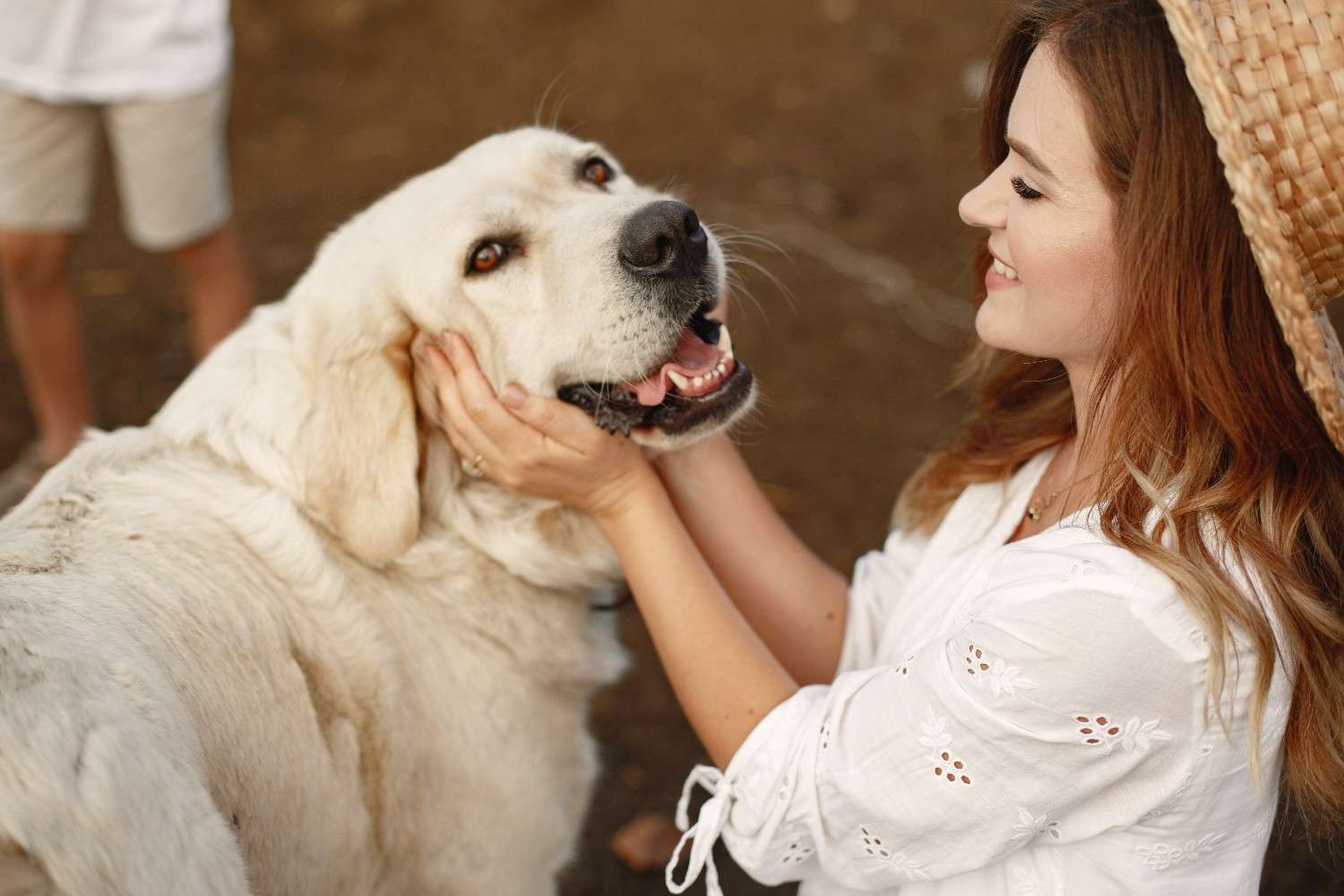
10 of the Most Gentle and Friendly Dog Breeds
1. Golden Retriever
Golden Retrievers are among the best-known family companion dogs because many are affectionate, outgoing, and eager to work with people. With appropriate training and socialization, they can become loving companions for adults, children, and other dogs.
Their sociable nature is one reason they are also seen in assistance, therapy, and search-related roles, although individual dogs need suitable training for those jobs.
Golden Retrievers are intelligent and usually enjoy learning, games, walks, swimming, and retrieving activities. They are a good option for active households that can provide daily exercise, attention, and mental enrichment.
Their long double coat sheds, often noticeably during seasonal coat changes, and needs regular brushing.
Best for: Active families and people who want an affectionate, trainable dog and can keep up with exercise and coat care. Keep in mind that a young Golden may be energetic and boisterous rather than calm all day.
2. Labrador Retriever
Labrador Retrievers are often cheerful, people-oriented dogs. Many enjoy meeting new people, playing fetch, learning cues, and joining family activities. Their trainability and adaptable nature can make them a good fit for first-time owners who are prepared to provide consistent guidance.
Labs are energetic, especially when young, and may jump up, mouth objects, or pull on the leash if those behaviors are not taught alternatives. Daily walks, play, training, and food puzzles can help meet their physical and mental needs.
Their short coat is relatively easy to maintain, but Labradors still shed. Best for: Households with time for exercise, training, play, and intelligent gentle dog breeds.
A well-matched Lab can be affectionate and friendly, but size and enthusiasm mean that manners around small children should be taught carefully.
3. Cavalier King Charles Spaniel
The Cavalier King Charles Spaniel is a small companion breed often prized for its affectionate, gentle, and people-focused personality. Many Cavaliers enjoy curling up beside their owners and joining quiet household routines.
Their size can be convenient for apartment living, provided they still receive walks, play, and companionship.
Cavaliers generally benefit from kind, reward-based training and gradual socialization. Their silky coat needs regular brushing, and potential owners should research breed-related health concerns with a veterinarian and a responsible breeder or rescue organization.
They are not a low-maintenance choice simply because they are small.
Best for: People seeking a small, affectionate companion who can spend plenty of time with the family. Like many companion dogs, Cavaliers may struggle if left alone for long periods every day.
4. Beagle
Beagles are cheerful, curious dogs that often enjoy company and play. They were developed as scent hounds, so sniffing and following interesting smells are important parts of their behavior.
Their friendly nature can make them appealing family pets, but they are not always quiet or easy to keep focused outdoors.
Beagles may follow a scent without noticing their surroundings, so secure fencing and leash use are important.
They can be vocal, and training often requires patience, consistency, and high-value rewards. Provide scent games, safe exploration, and regular activity to keep a Beagle engaged.
Best for: Families who enjoy an active, curious dog and can manage its strong nose, exercise needs, and tendency to vocalize.
5. Poodle
Poodles come in Standard, Miniature, and Toy sizes. They are known for intelligence and trainability, and many form close bonds with their people. A Poodle can be playful and affectionate while also enjoying training games that challenge its mind.
Poodles have a coat that typically sheds less visibly than many other breeds, which can make them worth considering for people who prefer less loose hair around the home.
However, no dog is completely hypoallergenic, and Poodles require regular brushing and professional or careful home grooming to prevent mats. Their exercise and enrichment needs vary by size and individual.
Best for: Owners who want a smart, active companion and are prepared for ongoing coat maintenance. A well-socialized Poodle can be friendly, but stranger friendly dog breeds still depend on training, temperament, and daily care.
6. Shih Tzu
Shih Tzus were developed as companion dogs and are often affectionate, sociable, and happy to spend time close to their families. Their small size can work well in many homes, including apartments, as long as their needs for exercise, play, and interaction are met.
They usually need regular coat care, especially if their hair is kept long. Their short muzzle can also make them vulnerable to breathing and heat-related difficulties, so owners should avoid strenuous exercise in hot weather and discuss health considerations with a veterinarian.
Gentle, consistent training helps build good household manners.
Best for: People looking for a small companion for relaxed walks and indoor company, with time for grooming and attention to their health needs.
7. Pug
Pugs are often playful, charming, and strongly attached to their people. Their affectionate personality can make them appealing companions for households that want a smaller dog with a big presence.
Many enjoy games and social time, followed by a comfortable place to rest. Pugs have a flat face, which can cause breathing problems and make them less tolerant of heat and strenuous exercise.
Owners should keep activity moderate, maintain a healthy weight, and seek veterinary advice about breathing, eye, and skin-fold care. Their short coat still sheds, sometimes more than people expect.
Best for: People who want an affectionate indoor companion and can prioritize careful health management. Don’t choose a Pug based on personality alone without considering its special care needs.
8. Newfoundland
For people wondering which large breed is the gentlest, the Newfoundland often comes up because many are calm, patient, and affectionate with their families. These large dogs were historically associated with water work and are known for strength and a substantial build.
Their size can be impressive, but many have a soft, people-oriented temperament. A Newfoundland needs space to move comfortably, early leash and manners training, and a family prepared for heavy shedding, drool, and significant grooming.
Because even a friendly dog can accidentally knock someone over, careful supervision and training are especially important around toddlers and frail adults. Heat management is also important for a thick-coated dog.
Best for: Owners with room, time, and resources for a giant breed. Their gentle reputation does not remove the need for responsible handling and training.
9. Boxer
Boxers are affectionate, loyal, playful dogs that often build close relationships with their families. They can be enthusiastic and clownish, and many remain energetic well into adulthood. With consistent, positive training, a Boxer can be a loving family companion.
Boxers are strong and athletic, so they need daily exercise, mental stimulation, and practice greeting people without jumping. Some may be reserved around unfamiliar people, and temperament varies from dog to dog.
Their short coat is relatively easy to care for, but potential owners should research the breed’s health risks with a veterinarian and a responsible source.
Best for: Active owners who want a playful, devoted dog and are willing to invest in training, exercise, and socialization.
10. Bichon Frise
The Bichon Frise is a small, lively companion breed often described as cheerful and sociable. Many enjoy meeting people, learning tricks, and being included in family routines. Their compact size can suit a variety of homes, though they still need daily activity and enrichment.
Bichons are often considered by people searching for gentle dog breeds that don’t shed much. Their coat tends to release less loose hair into the home, but it needs frequent brushing and regular professional grooming.
They are not guaranteed to be allergy-friendly, and they can develop separation-related problems if left alone for long periods.
Best for: People seeking a small, upbeat companion who can provide regular grooming, training, and companionship.
Which Gentle Dog Breed Is Best for Your Home?
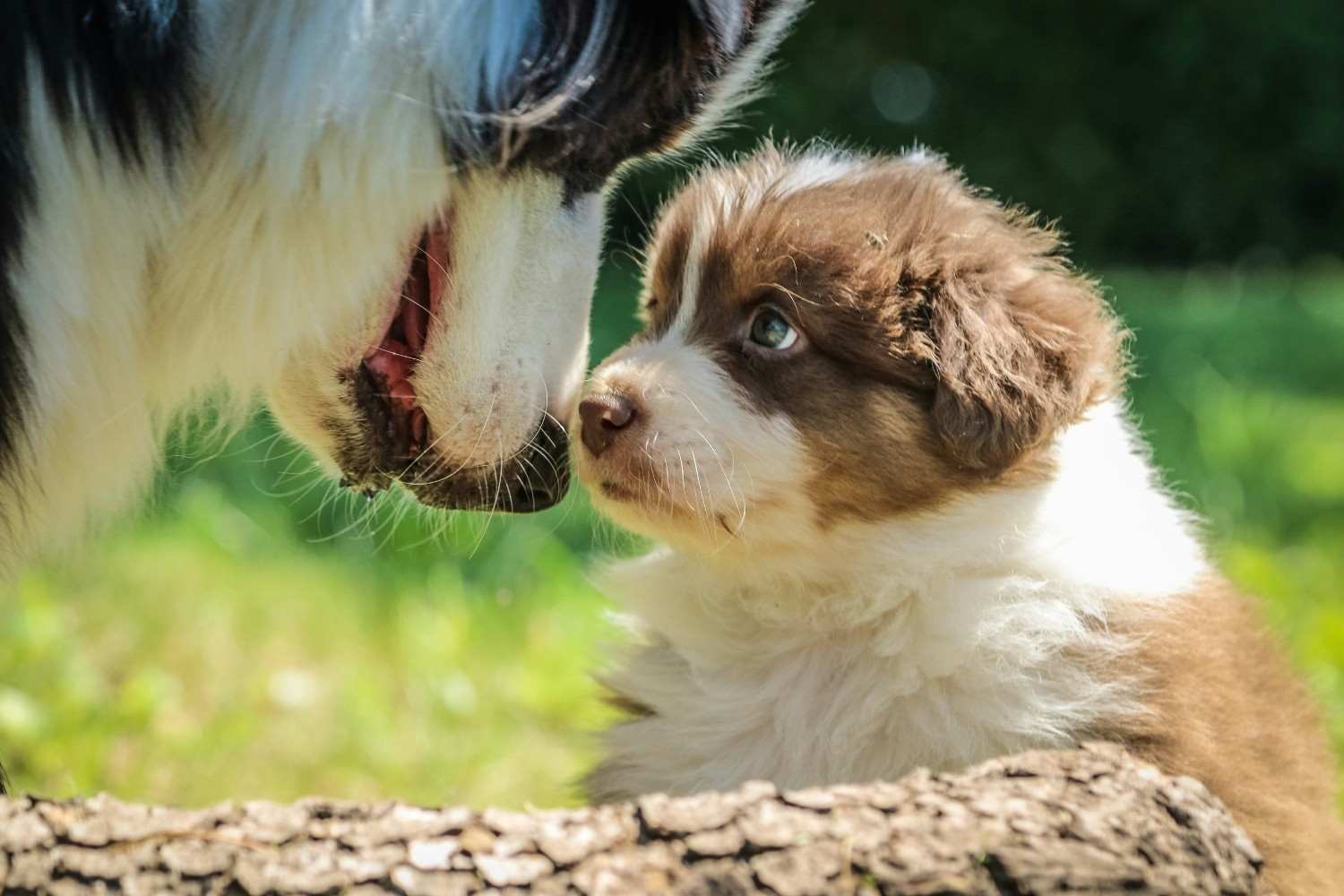
The best dog breed is not necessarily the one that ranks first on a list. Match the dog’s needs to your day-to-day life.
For families with children: Golden Retrievers and Labrador Retrievers are popular options for active homes, while a well-socialized individual of many breeds can also thrive. Choose based on the dog’s known temperament and supervise children closely.
For small homes or apartments: Cavalier King Charles Spaniels, Shih Tzus, Bichon Frises, and smaller Poodles may be worth considering. Remember that barking, exercise needs, grooming, and time alone matter just as much as body size.
For people who want a large, calm companion: Newfoundlands may appeal to experienced owners who can manage a giant breed’s space, grooming, and handling needs. A large dog still needs training and can accidentally injure someone by jumping or bumping into them.
For people who prefer less shedding: Poodles and Bichon Frises are commonly considered, but their coats need regular maintenance. “Low-shedding” does not mean “no grooming” or “hypoallergenic.”
For first-time dog owners: A dog with a known, steady temperament and support from a reputable rescue, shelter, or responsible breeder may be a better fit than choosing by breed reputation alone. Be realistic about training, costs, exercise, and veterinary care.
Are Gentle Dogs Safe Around Children and Strangers?
A gentle reputation can be helpful when researching breeds, but no breed is automatically the safest dog. Any dog may react if frightened, injured, guarding food, or overwhelmed.
Children should never climb on a dog, disturb it while it sleeps or eats, or be left alone with it—even if the dog has behaved beautifully for years.
Introduce dogs to visitors gradually and allow the dog to choose whether to approach. Avoid forcing interactions, and watch for signs of discomfort such as turning away, lip licking, yawning when not tired, freezing, a tucked tail, or trying to leave.
If a dog growls, do not punish the warning; create space and seek help from a qualified, reward-based trainer or veterinary professional if needed.
When adopting, ask about the dog’s history with children, other pets, handling, and unfamiliar people. A shelter or rescue may not know every detail, so use careful introductions and ongoing observation.
If you have specific safety concerns, consult a veterinarian or a qualified behavior professional before bringing a dog into the home.
How to Raise a Gentle, Well-Behaved Dog
Breed tendencies are only one part of the picture. These habits help dogs feel secure and learn appropriate behavior.
Start socialization thoughtfully: Introduce puppies or newly adopted dogs to different people, surfaces, sounds, and settings at a pace that keeps them comfortable. Avoid overwhelming them or forcing contact.
Use reward-based training: Reinforce behaviors you want to see, such as sitting to greet people, coming when called, and relaxing on a mat. Short, consistent sessions are usually more useful than harsh corrections.
Meet exercise and enrichment needs: Walks, sniffing opportunities, play, food puzzles, and training games can reduce frustration and help dogs settle at home. The right amount of activity depends on age, health, and breed.
Respect rest and personal space: Provide a quiet place where the dog can sleep undisturbed. Teach children not to approach a resting dog or take away its food, toys, or chews.
Keep up with health care: Pain or illness can change behavior. Regular veterinary care, appropriate grooming, and prompt attention to sudden behavior changes support a dog’s well-being.
Plan for alone time: Build independence gradually and arrange suitable care if your dog cannot comfortably be left alone for the length of your workday.
Frequently Asked Questions
What is the most calm, gentle dog?
Golden Retrievers, Cavalier King Charles Spaniels, and Newfoundlands are often associated with affectionate or calm temperaments, but individuals differ. Age, exercise, training, health, and environment all influence how settled a dog is at home.
Which is the No. 1 friendliest dog?
There is no official No. 1 friendliest dog breed. Golden Retrievers and Labrador Retrievers are commonly recognized for sociable, people-oriented temperaments, but a dog’s behavior depends on its individual personality, socialization, and experiences.
What breed of dog is calm and quiet?
Some adult companion dogs and well-exercised individuals may be relatively quiet, but no breed is silent by nature. Beagles can be vocal, while small companion breeds may bark at sounds or visitors. Ask about the individual dog’s habits and plan for training and enrichment.
What is the friendliest dog breed?
Golden Retrievers and Labrador Retrievers are popular answers because many are outgoing and eager to interact with people. Still, friendliness is not guaranteed by breed, and every dog should be introduced to new people respectfully.
What is the most gentle small dog breed?
Cavalier King Charles Spaniels, Shih Tzus, and Bichon Frises are often considered for their companionable nature. The right choice depends on the individual dog’s temperament, grooming needs, health, and how much time it can spend with its family.
What is the most gentle large breed dog?
The Newfoundland is frequently described as a gentle giant, while many Golden Retrievers and Labradors are also affectionate large dogs. Size makes training and supervision especially important, even when a dog is friendly.
What is the most affectionate dog breed?
Many Golden Retrievers, Labrador Retrievers, Cavalier King Charles Spaniels, and Shih Tzus enjoy close human companionship. Affection levels vary by individual, and some dogs prefer space rather than constant cuddling.
Are there gentle dog breeds that don’t shed?
No dog is completely non-shedding, but Poodles and Bichon Frises typically shed less visibly than many double-coated breeds. Their coats require regular brushing and grooming, and no breed is guaranteed to be hypoallergenic.
What is the most gentle dog in the world?
There is no scientifically established single gentlest dog in the world. Breed reputation can guide your research, but temperament, health, socialization, training, and the match between a dog and its household are more useful indicators.
Conclusion
So, what is the most gentle dog breed? For many families, the Golden Retriever and Labrador Retriever are excellent places to start because they are often friendly, affectionate, and trainable.
If you prefer a small companion, consider the Cavalier King Charles Spaniel, Shih Tzu, or Bichon Frise. For a large, often calm companion, the Newfoundland may be worth researching.
The best dog is the one whose temperament and needs fit your household—not simply the breed that appears at the top of a list.
Meet the individual dog, ask questions about its history and health, plan for training and daily care, and supervise interactions with children.
With thoughtful preparation and respectful handling, you can give a dog the best chance to become a loving and well-adjusted member of your family.